
The Numbers Behind the Headlines
Over 7,000 West Midlands families are currently living in temporary accommodation. Nearly 15,000 of those are children. A further 65,000 people are sitting on social housing waiting lists, many of them waiting years for a safe and stable place to call home.
These are not abstract statistics. These are the people in our communities. The parents trying to run a small business from a temporary flat. The young person trying to build a future without a stable address. The community leader trying to serve others while navigating housing instability themselves.
When housing is unstable, everything else becomes harder. Business growth, mental health, education, employment. Stable housing is not separate from economic empowerment. It is the foundation of it.
What Is Happening in Birmingham Right Now
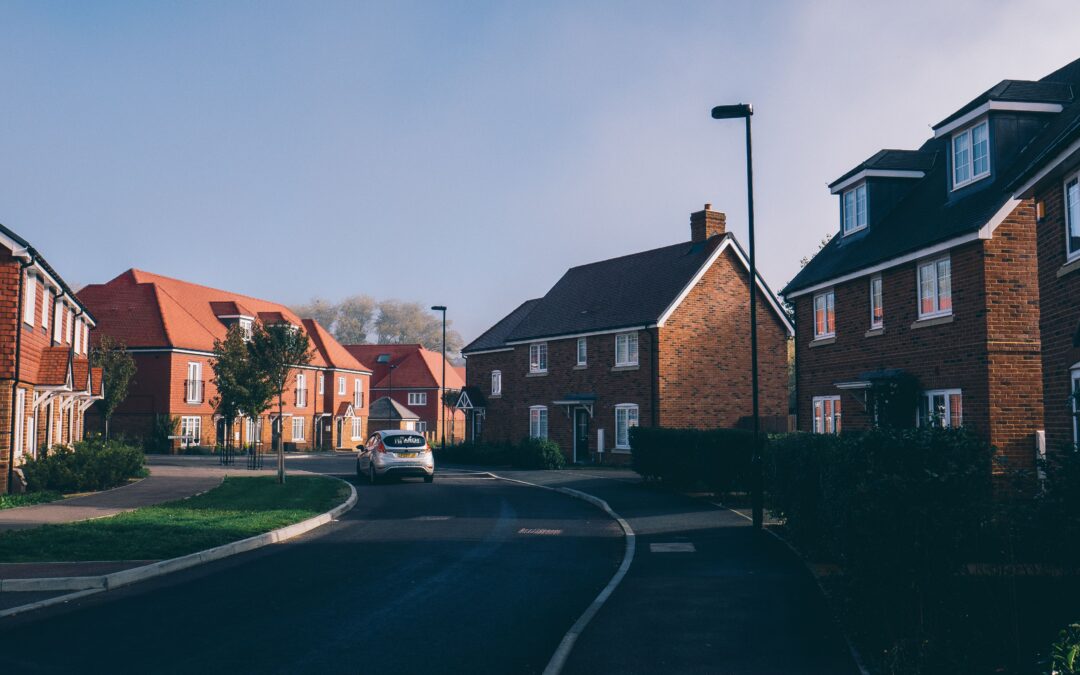
Construction has begun on a new affordable housing development on Hagley Road in Edgbaston, Birmingham. The scheme will deliver more than 50 affordable homes including social rent properties, rent to buy flats and houses, built by WB Property Group on behalf of housing association Citizen.
Five of the homes will be designated for social rent, supported by the Social Housing Accelerator Fund, a £40m regional initiative created to convert properties into social rent homes and cut waiting times for the people who need them most.
The development is also built with sustainability in mind, featuring living roofs, solar panels, tree planting and pedestrian routes throughout. It is due for completion in spring 2028.
For a city like Birmingham, where brownfield sites have sat unused for years and housing demand continues to outpace supply, this kind of development represents exactly the type of investment that communities need to see more of.
Why the Social Economy Has a Stake in This
Social enterprises, community organisations and purpose driven businesses do not operate in a vacuum. The communities you serve, the people you employ and the customers you rely on are all shaped by the environment around them.
Housing insecurity is one of the biggest invisible barriers to economic participation. Research from the Joseph Rowntree Foundation shows that people experiencing housing instability are significantly less likely to be in stable employment, less likely to access business support and less likely to engage with community programmes.
When more people have access to safe, affordable homes, more people can show up. For work. For community. For opportunity.
That is why developments like this one in Edgbaston are not just a housing story. They are a social economy story.
The Bigger Picture for the West Midlands
Birmingham is one of the youngest and most diverse cities in Europe. It is also one of the most entrepreneurial. But for that potential to be fully realised, the foundations have to be right.
Affordable housing is one of those foundations. So is access to business support, funding, skills and community connection. These things are not separate conversations. They are part of the same one.
At iSE, we work with founders, community organisations and social enterprises who are building businesses and creating impact in some of the most underserved parts of the region. We see every day what becomes possible when people have stability, support and access to the right resources.
Developments like this one remind us that progress is possible. And that there is still much more to do.
Are You Building Something That Makes a Difference?
If you are a social entrepreneur, community organisation or purpose driven business in the West Midlands, iSE offers free business support, events and advice to help you grow.
You do not have to do it alone. Join our community and find out what is available to you today.
Visit www.i-se.co.uk or email info@i-se.co.uk to find out more.